No longer a distinction between offset and inkjet
Didier Haazen, CTO of Group Joos:
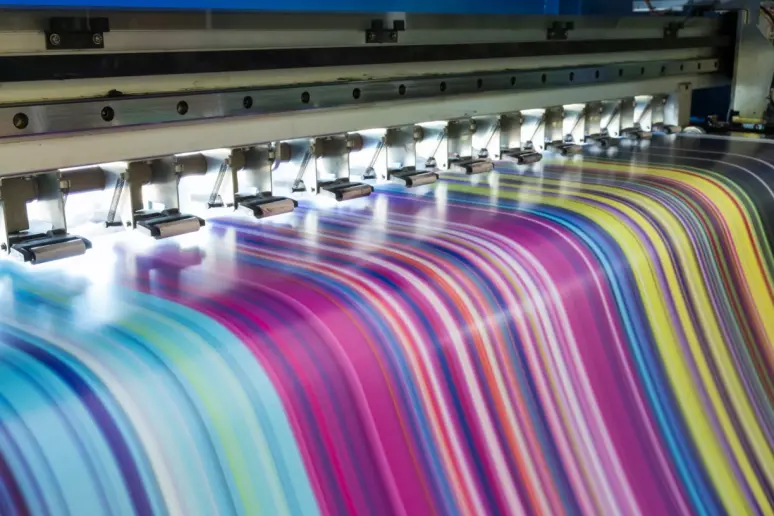
“We are convinced that the independent quality benchmark provided by Fogra gives our customers confidence in the functional performance of our inkjet production printers, which now match the quality of long-established technologies (including offset). During the Fogra evaluation, Group Joos consistently achieved the highest category score, level A, across various paper types. Our customers can no longer distinguish between offset and inkjet printed output.”

But what does this mean for our customers?
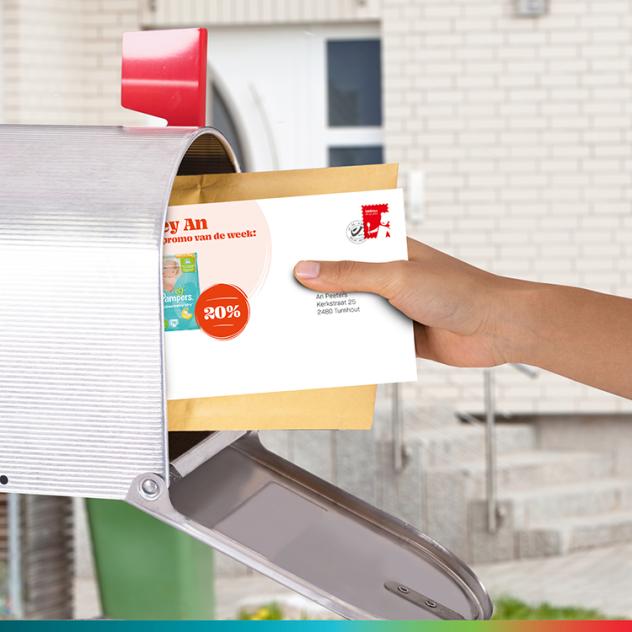
With this certification, Group Joos proves that its inkjet printers achieve the same print quality as traditional offset presses. Customers can benefit from maximum print quality equal to classic offset printing, combined with the flexibility of these printers. The inkjet production process meets market demand for shorter print runs, increased personalization in communication, and faster turnaround times. Perfect for producing highly segmented or deeply personalized direct mail applications or for on-demand production of promotional (personalized) print.
Sustainable prints
Another advantage of this digital production process is that it generates little production waste, thus reducing its ecological footprint. Energy consumption per printed page is relatively low compared to other production technologies. CPP water-based pigment inks are used, which are listed in the Nordic Swan Database of approved print chemicals. These inks are dye-free and produce no ozone during the production process. Paper end products printed on these inkjet printers typically achieve the best category for ink removability, known as “Good deinkability,” according to the European Paper Recycling Council (EPRC) Deinkability Score.
Applications
Applications are possible on a wide range of print media, both from roll and sheet-fed formats, ranging from 40 to 400 g/m². This includes standard offset coated, uncoated, and recycled paper up to 100% PCW (Post Consumer Waste). In addition, more specialized materials can be used, such as dark and textured papers, self-adhesive materials, synthetic substrates, and other special print media. Beyond direct mail and marketing materials, inkjet printers are also used for the production of catalogs, magazines, books, manuals, transactional communications, and industrial print applications.
Investing in new technology

Alex Joos, CEO of Group Joos:
“In recent years, significant progress has been made in the development of inkjet printing, particularly in quality and speed improvements. As a result, we have made substantial investments in new inkjet presses to offer the best possible quality on the market. We invest in new technology to provide our customers with a compromise-free solution that enhances quality, productivity, and cost-efficiency. In addition, this allows us to expand into new markets, including industrial and packaging applications.”